Native plant Lyreleaf Sage added to USWildflowers Database – Salvia lyrata. http://uswildflowers.com/detail.php?SName=Salvia%20lyrata
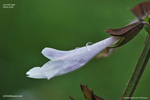
Salvia lyrata

Native plant Lyreleaf Sage added to USWildflowers Database – Salvia lyrata. http://uswildflowers.com/detail.php?SName=Salvia%20lyrata
Salvia lyrata
Native plant Yellow Crownbeard (Verbesina occidentalis) added to USWildflowers.com database. Detail page with photos at https://uswildflowers.com/detail.php?SName=Verbesina%20occidentalis
Sulfur Cinquefoil Added to USWildflowers Database. Detail page with 4 additional photos at http://uswildflowers.com/detail.php?SName=Potentilla%20recta
Flowering Dogwood added to USWildflowers Database
Detail page here:
My raised awareness of issues around native vs introduced plants resulting from my time on Twitter, as well as a decision to standardize my “group name” using the common name applied to the plant genus has led me to make a few recent minor changes to the USWildflowers website. Hopefully these changes will be helpful to folks using the site. Read on for details… Continue reading
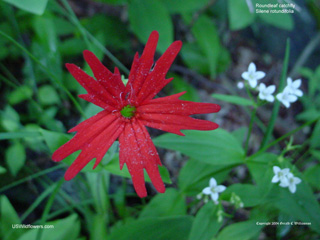
Silene rotundifolia – Roundleaf Catchfly
Back in 2004, when the only real wildflower identification guide I had was Audubon’s North American Wildflowers Eastern, I identified this flower as Fire Pink – Silene virginica. I was wrong.
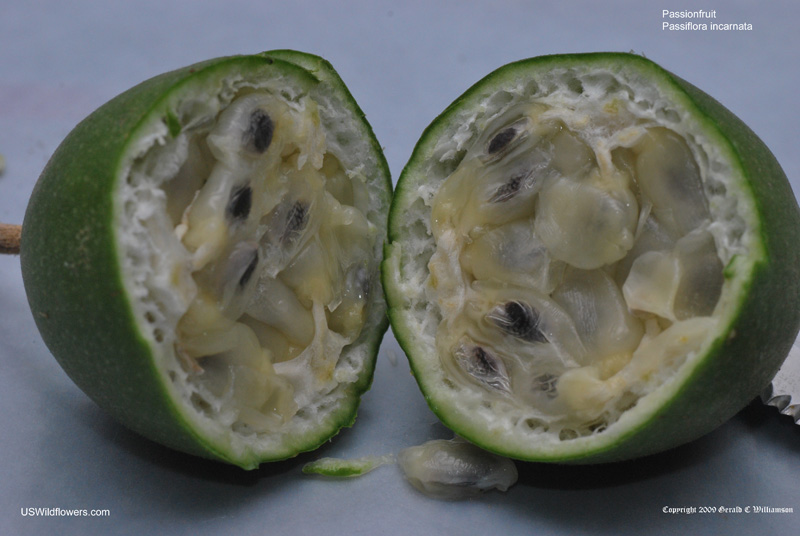
Passionfruit – Passiflora incarnata
The picture above is the fruit of Tennessee’s State Wildflower – Passionflower, Passiflora incarnata. I can report reliably that it is edible, similar to the species which is frequently cultivated in tropical regions – Passiflora edulis, although P. incarnata fruit is typically smaller than that of P. edulis. Passiflora incarnata is a plant native to the United States, while Passiflora edulis has been introduced to the United States and is found in the wild in Georgia and Florida.
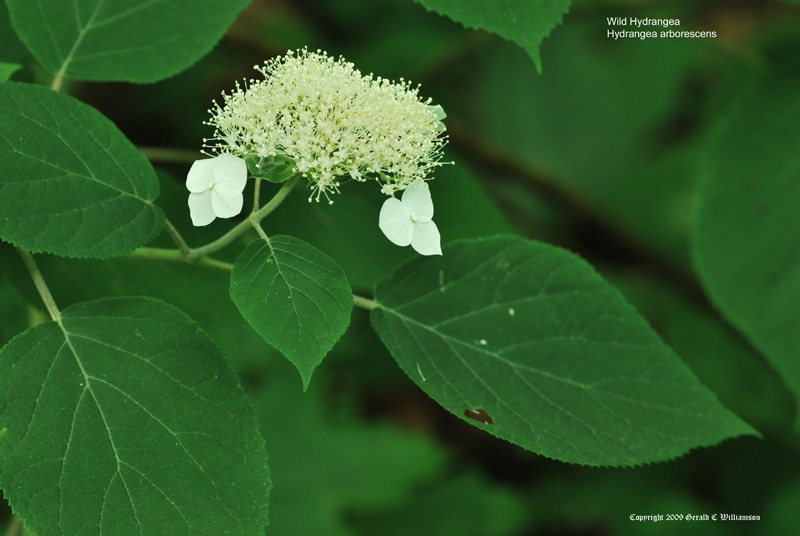
In the May 5 post, I mentioned that the wild hydrangea blossoms were forming their buds. Since I only had photos of prior year’s blossoms – which I think in themselves are quite beautiful – I wanted to make sure I got a chance to photograph them while in bloom. I managed to squeeze out some time (thanks for giving up work on the ceiling, Cindy!) on Saturday, June 6, and was rewarded with finding the hydrangea at peak of their blossom.
I’m calling an official close to the spring wildflower season at The Pocket at Pigeon 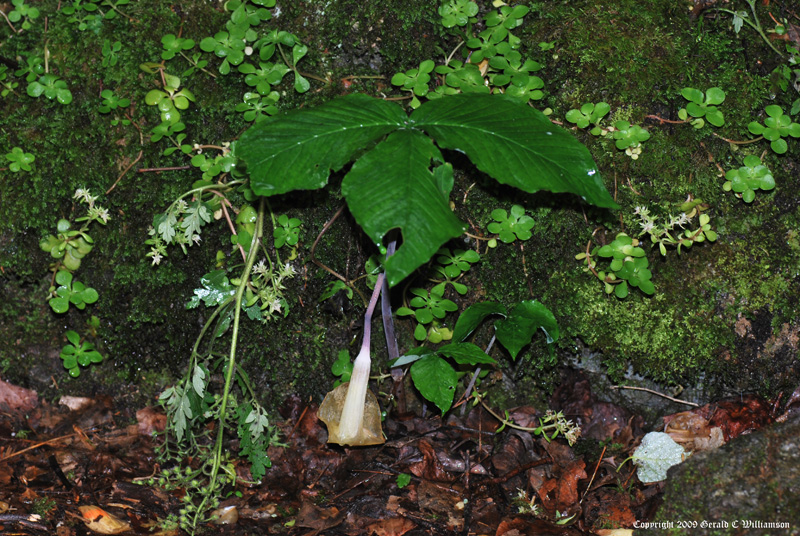 Mountain, from the USWildflowers.com perspective. While there are still certainly many wildflowers blooming, the image of the Jack in the Pulpit is symbolic of the status of the spring wildflowers. It is moving into the summer season – no remaining trillium blossoms, only a rare scattering of geranium and phacelia, and even the Canada violets are almost entirely gone. The wild hydrangea blossom buds are starting to form, and the flying gnats are becoming a problem.
While I will still make occasional treks down to The Pocket, future reports will be intermittent (maybe until next spring!) and I hope to bring reports from wildflower expeditions into other areas of the region starting, Lord willing, with a report from Big Frog Mountain next week.
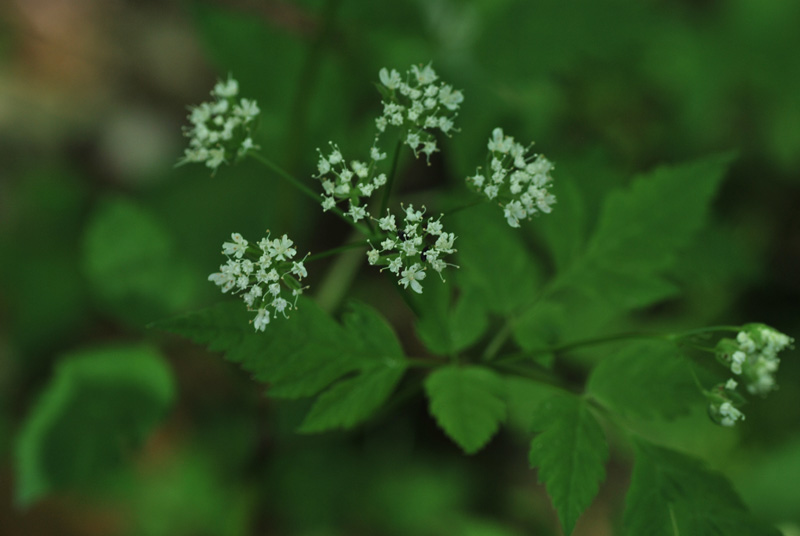 For those who were hoping for, as Ed Sullivan would have put it, “A Really Big Shew,” the time has passed in 2009. However, that is relative to The Pocket, and the abundance of wildflowers still exceed what you’ll find in many areas. While the dominant flower along the Shirley Miller Wildflower Trail seems to be Sweet Cicely right now, a species that isn’t exactly ‘showy,’ several of the “signature species” could still be found on Saturday, 4/25.